A Beginner’s Guide to Common Brooch Types
A brooch is one of the few accessories that can shift the character of an outfit without altering a single garment. For someone new to collecting, however, the vocabulary can be confusing: bar pins, figure brooches, enamel pins, and a range of terms used interchangeably by sellers and stylists. Understanding the basic categories, and how each one is constructed and worn, makes it easier to browse with purpose rather than guesswork.
This guide outlines three common brooch types and the practical questions that tend to shape a first purchase. It focuses on construction, proportion, and styling context rather than brand names or price tiers, since those factors vary widely across the market. The aim is to give a beginner a workable framework for comparing options and recognizing which style aligns with a particular wardrobe.
Terminology in jewelry resale and retail is rarely standardized, so the same object may be listed under several labels. Reading descriptions carefully, examining photographs of the back of a piece, and noting dimensions are habits that serve collectors at every level. The sections below build a foundation for those habits.
Bar Pins and the Logic of Linear Design
A bar pin is defined primarily by its shape: an elongated horizontal element, usually with a clasp at one end and a hinge or catch at the other. The form is deliberately minimal, which makes it one of the more versatile categories for everyday wear. Because the silhouette is linear rather than pictorial, a bar pin tends to read as a detail rather than as a focal ornament.
Construction varies considerably within this category. Some bar pins are simple metal bars with a single pin stem and a safety catch, while others incorporate stones, engraving, or a subtle curve. Length matters more than most beginners expect, since a long bar pin can span a lapel or scarf in ways a short one cannot. Measuring the intended placement area before shopping helps narrow the field quickly.
Styling a bar pin usually involves thinking about lines already present in the outfit. A horizontal pin can echo the line of a collar, sit along a pocket edge, or secure a lightweight scarf near the shoulder. On structured tailoring, a slim bar pin often integrates quietly; on knitwear, a slightly heavier pin may hold its position more steadily. Fabric weight, weave, and the presence of a lining all influence how a pin hangs and whether it pulls at the garment.
For new collectors, the bar pin category is often a sensible starting point because the construction is easy to inspect. The back of the piece reveals the clasp type, the pin stem length, and whether the metal shows signs of stress. These details matter for anyone building a wardrobe-oriented collection rather than a purely decorative one.
Figure Brooches and Pictorial Motifs
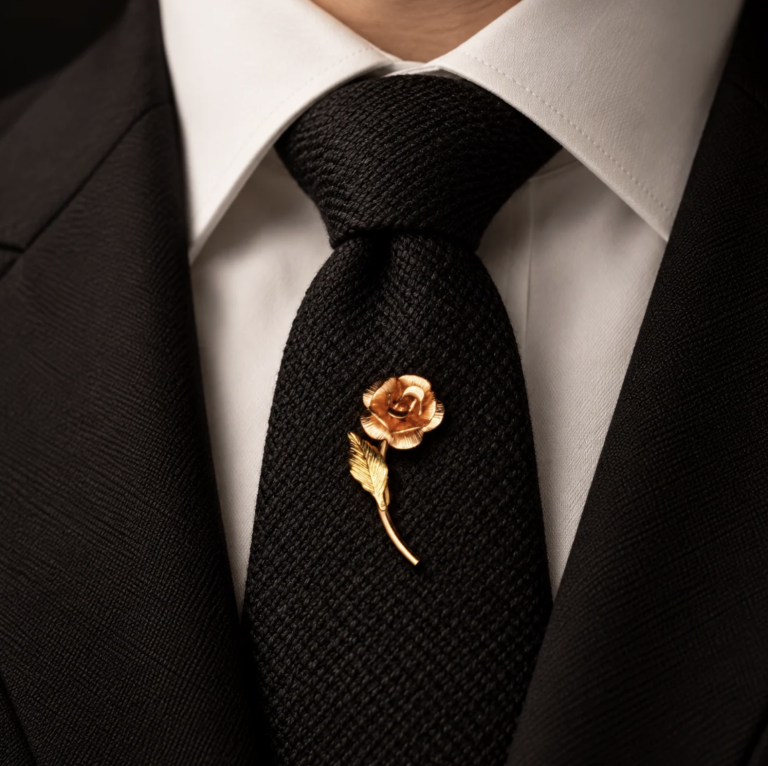
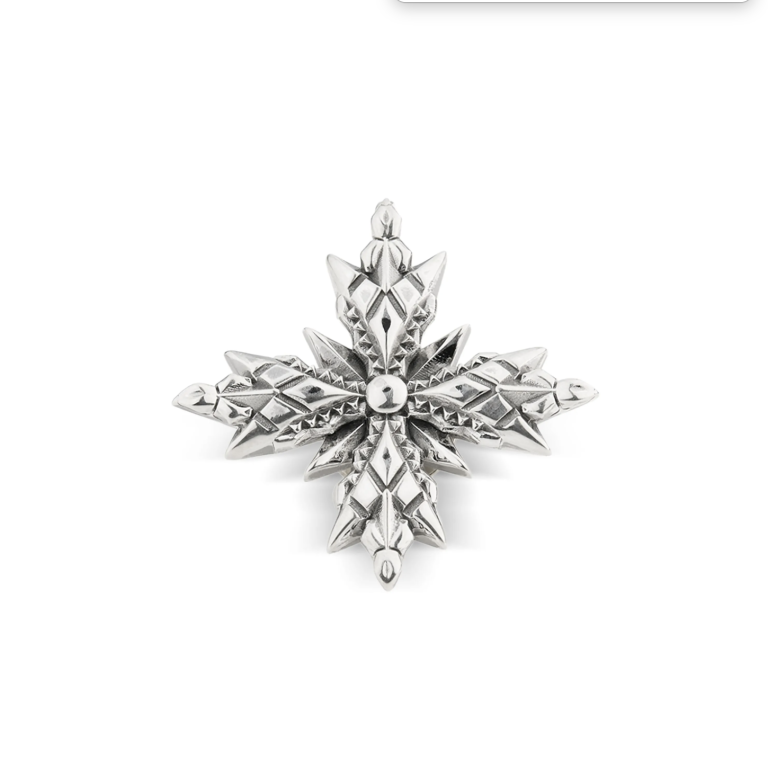
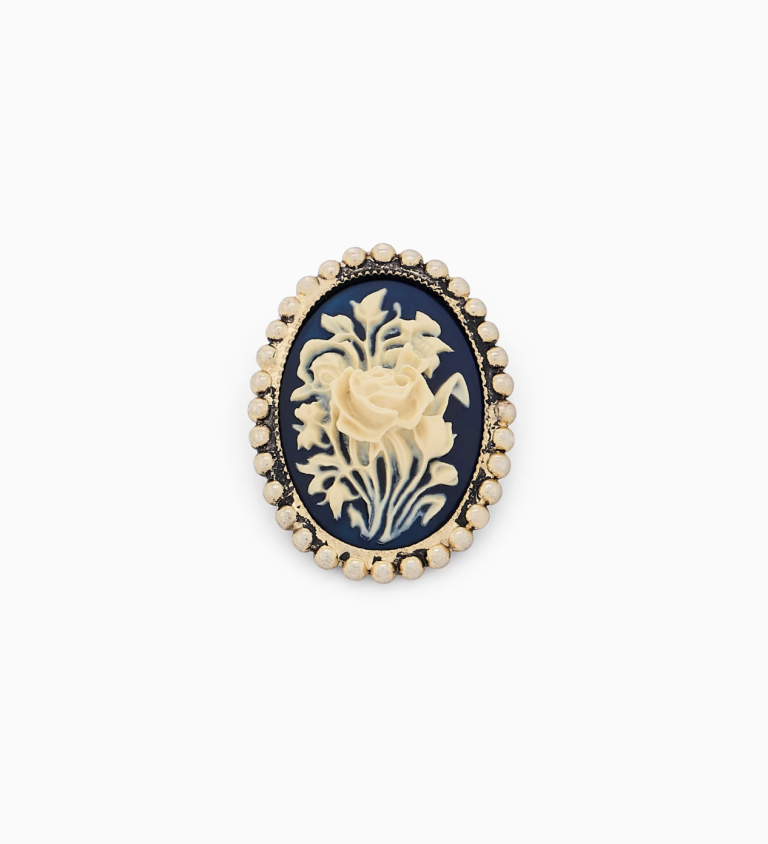
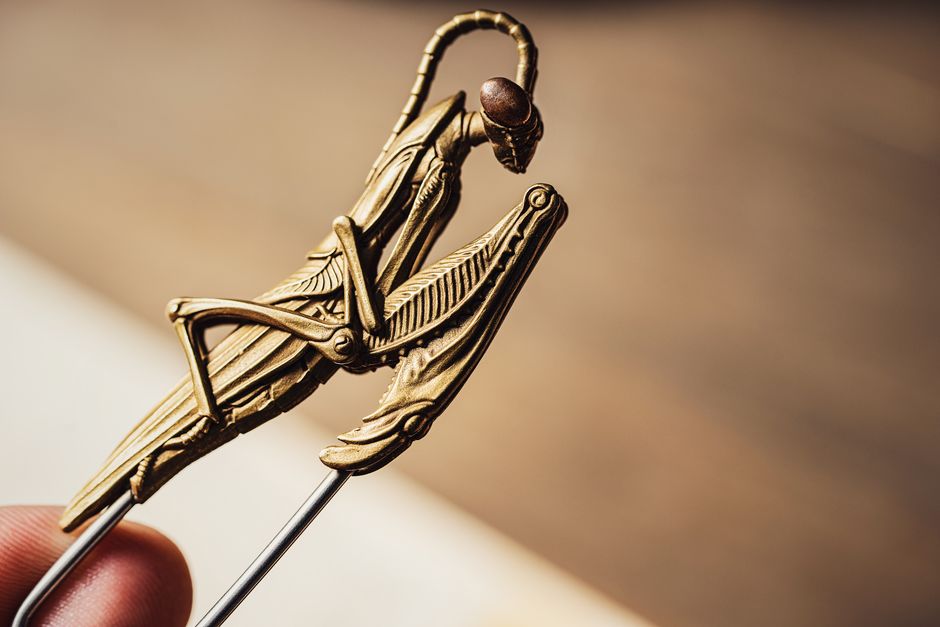
Figure brooches are built around a recognizable motif, such as an animal, a flower, a human silhouette, or an abstract form that suggests an object. The category is broad, and the term is applied loosely in the market. What unites these pieces is that the design itself carries the visual weight, rather than the outline or the metal setting.
Because the motif is central, figure brooches tend to be judged on proportion and finish rather than on length or angle. A piece that is too large can overwhelm a small frame, while an undersized figure may lose definition against a patterned fabric. Photographs taken at an angle, alongside a reference object for scale, are more informative than straight-on product shots alone.
Placement for a figure brooch is often more deliberate than for a bar pin. Common positions include the lapel, the upper chest, the shoulder line, and the waistband of a skirt or trouser. On a coat or jacket, a figure brooch near the collar can draw the eye upward, while placement lower on the torso changes the visual balance. The relationship between the motif and the garment’s own details, such as buttons or pockets, generally guides the decision.
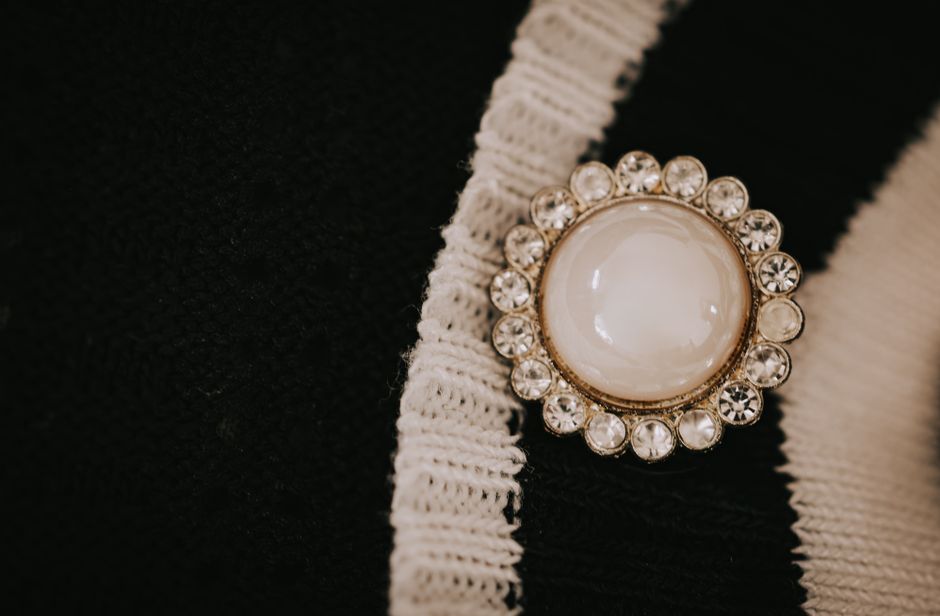
Enamel work appears frequently in this category, and the finish can influence how a motif reads at a distance. Glossy surfaces catch light and emphasize outline, while matte finishes tend to soften detail. Neither approach is inherently better; the choice depends on whether the wearer wants the piece to stand out sharply or blend into the overall look. Beginners may find it useful to compare a few finishes in person before committing to a collection direction.
Enamel Pins and Collectible Formats
Enamel pins occupy a slightly different space in the market. The term usually refers to a metal pin with recessed areas filled with enamel, a process that allows for crisp color blocking and fine outlines. Many enamel pins are smaller than traditional brooches and are often worn on denim jackets, canvas bags, lanyards, or hats rather than on formal outerwear.
The collectible dimension of enamel pins is significant. They are frequently produced in limited editions, organized by theme, and traded among enthusiasts. For a beginner, the practical questions are about fastening, size, and durability rather than rarity. A pin with a secure clutch or locking back is easier to wear on moving surfaces such as a bag strap, while decorative clasps are better suited to garments that stay relatively still.
Enamel pins also differ in how they interact with fabric. A small, lightweight pin is unlikely to leave a lasting impression on sturdy denim, but the same pin on a fine knit may cause distortion over time. Checking the weight and the length of the pin post before placing a piece on a delicate garment is a simple precaution. Rotating placement, rather than pinning the same spot repeatedly, is a common habit among regular wearers.
The finish of an enamel pin can also affect maintenance. Enamel surfaces are generally smooth and easy to wipe clean, but metal edges and plated findings may show wear with frequent handling. Storing pins separately, or on a dedicated display board, reduces contact between pieces and limits scratching. These small routines matter more for collectible formats than for pieces worn only occasionally.
Comparing Categories and Choosing a First Piece
Comparing the three categories side by side is often easier than evaluating each in isolation. The table below is not a ranking but a summary of the practical differences that tend to matter to new collectors.
- Bar pins: linear form, often minimal, suited to tailoring, scarves, and structured garments.
- Figure brooches: motif-driven, judged on proportion and finish, suited to lapels, shoulders, and statement placement.
- Enamel pins: typically smaller, color-blocked, suited to casual textiles, bags, and collectible display.
A useful first step is to identify the garments that will actually host the piece. A wardrobe dominated by blazers and coats tends to accommodate bar pins and figure brooches more naturally, while a casual wardrobe of denim and canvas may offer more opportunities for enamel pins. Neutral colors provide a forgiving background, while bold patterns call for simpler silhouettes or more carefully chosen motifs.
It also helps to consider how often the piece will be worn and in what conditions. Pieces worn in transit, on bags, or on outerwear face more abrasion than those reserved for occasional events. Weight, clasp type, and metal finish all influence how a pin holds up under regular use. None of these factors guarantees longevity, but they inform a more informed comparison.
Finally, beginners may benefit from handling a few pieces before purchasing. Observing the clasp mechanism, the thickness of the pin stem, and the way the piece sits against fabric builds intuition faster than reading specifications alone. Collecting is a gradual process, and the categories described here are starting points rather than fixed rules.
Care, Storage, and Practical Considerations
Basic care routines apply across all three categories. Moisture, perfume, and repeated contact with skin oils can affect metal surfaces over time, so wiping a piece after wear is a simple habit. Storage in a dry place, away from direct sunlight and temperature swings, helps preserve both metal and enamel finishes.
Clasp types deserve attention during inspection. A safety catch that closes firmly and a pin stem that aligns properly with the catch are practical indicators of usable condition. For enamel pins, the backing style influences how securely the piece stays attached; locking backs are generally more resistant to accidental removal than simple clutches, though they can be less convenient to put on and take off.
For those building a collection, a display board or a soft-lined box keeps pieces organized and visible. Keeping similar metals together and separating pieces with harder surfaces reduces incidental contact. These measures are inexpensive and support the longer-term condition of a collection.
Brands such as maple-ledger and others in the market sometimes publish sizing and material details that assist comparison, but the most reliable information comes from examining the piece itself or asking specific questions about dimensions and fastening. Approaching a first purchase as a research process, rather than a single decisive moment, tends to produce choices that fit a wardrobe more comfortably over time.