How to Match Brooch Materials with Different Fabrics
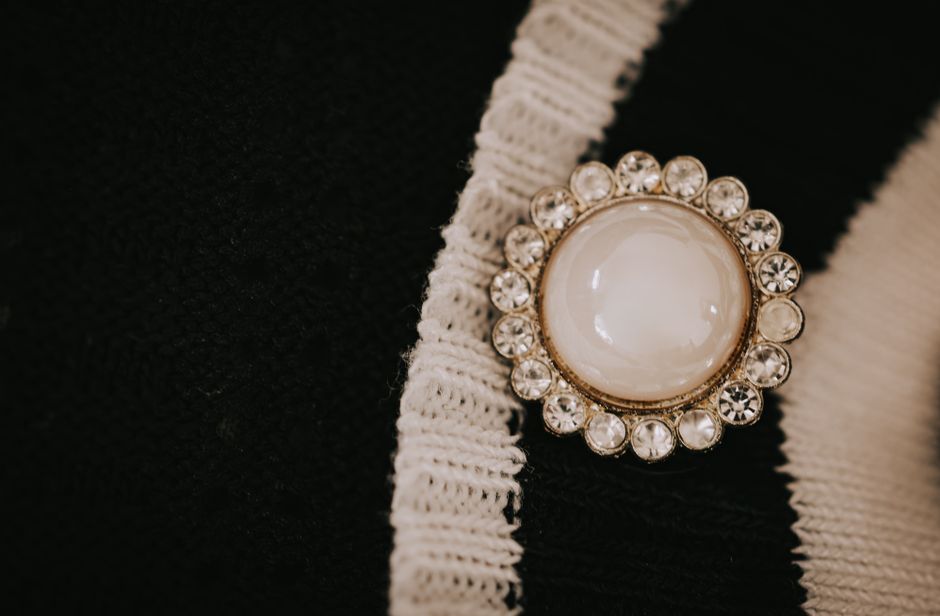
Selecting a brooch involves more than aesthetic preference; it requires an understanding of how the physical properties of the accessory interact with the fabric it adorns. The weight, texture, and structural integrity of both the brooch and the garment play a critical role in how the piece sits, how it affects the drape of the fabric, and how comfortable it is to wear over time. A mismatch between the two can lead to sagging, tearing, or an awkward silhouette, regardless of the brooch’s visual appeal.
This article outlines a framework for matching brooch materials—such as metals and stones—with three common fabric types: wool, silk, and cotton. By examining factors like material density and surface texture, you can make more informed decisions about placement and wear. The goal is to provide a process-oriented approach that helps you evaluate compatibility, ensuring that the brooch enhances the garment without compromising its structure or appearance.
The principles discussed here are general guidelines. Individual garments vary in weave, finish, and construction, and personal wearing habits also influence outcomes. Therefore, these suggestions should be adapted to specific circumstances rather than applied as absolute rules.
Understanding Fabric Weight and Texture
Before matching a brooch to a fabric, it is essential to assess the fabric’s weight and texture. Fabric weight refers to the mass per unit area, often expressed in ounces per square yard or grams per square meter. Heavier fabrics, such as wool coating or denim, can support larger, heavier brooches without distorting. Lighter fabrics, like silk chiffon or cotton voile, may require more delicate accessories to avoid pulling or sagging. Texture, on the other hand, describes the surface quality—whether it is smooth, rough, nubby, or slippery. Texture affects how well a brooch’s pin grips the fabric and how the accessory visually integrates with the garment.
When evaluating a fabric, consider its drape and resilience. Drape is how the fabric hangs or falls; stiff fabrics hold their shape, while fluid fabrics flow. Resilience refers to the fabric’s ability to recover from stretching or pressure. A brooch adds localized weight and tension, so fabrics with low resilience may show permanent distortion. Additionally, the tightness of the weave influences pin penetration: tightly woven fabrics may require sharper pins, while loose weaves might need wider backs to prevent the pin from pulling through.
It is also important to consider the garment’s construction. Areas with interfacing, seams, or multiple layers can support heavier brooches better than single-layer sections. Placement near a seam or dart can distribute weight more evenly. Always test a brooch on an inconspicuous area first to observe how the fabric responds.
Matching Metals with Wool Fabrics
Wool is a resilient, textured fiber with natural elasticity and warmth. Its surface can range from smooth worsted to fuzzy melton, and its weight varies from lightweight tropical to heavy coating. For lightweight wool, such as crepe or challis, opt for brooches made of lighter metals—aluminum, tin, or thin brass—to avoid pulling. These metals can be fashioned into intricate designs without adding excessive weight. For medium to heavy wool, such as flannel or tweed, sturdier metals like sterling silver, stainless steel, or cast iron are more suitable. Heavier metals can anchor the brooch securely and complement the fabric’s substantial hand.
The texture of wool also influences metal choice. Smooth metals with polished finishes can create a striking contrast against fuzzy wool, while antiqued or brushed metals blend more subtly with tweed’s nubby surface. Pin mechanisms should be robust: a sharp, thick pin with a secure clasp is advisable for dense wool, as thin pins may bend or fail to penetrate. Brooch backs with textured or rubberized grips can help prevent slipping on smoother wool surfaces.
When placing a brooch on wool, consider the fabric’s bulk. Avoid pinning through multiple layers unless the brooch is lightweight, as this can create a bulky lump. Instead, place the brooch on a single layer, ideally near a seam or edge where the fabric is reinforced. For heavy coats, a brooch with a large surface area can distribute weight and prevent sagging. Always check that the pin does not leave a permanent hole; wool’s resilience usually helps, but repeated pinning in the same spot can cause damage.
Matching Metals and Stones with Silk Fabrics
Silk is a delicate, lustrous fabric with a smooth, slippery surface and low resilience. Its lightweight nature and fluid drape make it challenging to support heavy brooches. For silk garments, such as blouses, scarves, or dresses, choose brooches made of lightweight metals—gold-filled, vermeil, or thin silver—and avoid dense cast pieces. Stones should be small and set securely; large, heavy stones can weigh down the fabric and cause tearing. Pearls, small cubic zirconia, or lightweight enamel work are good options, as they add visual interest without excessive mass.
The smooth texture of silk means that brooches can slide easily. Look for pin backs with a locking clasp or a safety catch to keep the brooch in place. A pin with a fine point is necessary to penetrate silk without snagging, but it should be sharp enough to glide through the weave. Consider using a brooch with a double-pin or a screw-back mechanism for added security. Placement is critical: avoid areas that experience movement, such as near the armhole or bust, where the fabric flexes. Instead, position the brooch on a stable section, like the center front or near the shoulder seam, where the fabric is less likely to stretch.
Because silk is prone to water spots and damage from oils, it is advisable to handle brooches with clean hands and avoid pinning through areas that may come into contact with perfume or lotions. Additionally, silk’s low resilience means that the weight of a brooch can create a permanent indentation; rotate placement to distribute stress. For very lightweight silk, consider using a brooch that is specifically designed for delicate fabrics, such as those with a small pin and a lightweight back.
Matching Metals and Stones with Cotton Fabrics
Cotton is a versatile, breathable fabric that ranges from lightweight voile to heavy canvas. Its durability and moderate resilience make it more forgiving than silk, but it still requires careful matching. For lightweight cotton, such as batiste or lawn, use brooches made of lightweight metals—aluminum, thin brass, or silver—and avoid heavy stones. These fabrics can support small to medium brooches if placed carefully. For medium-weight cotton, like poplin or oxford cloth, a wider range of metals is suitable, including sterling silver, gold-filled, and brass. Heavy cotton, such as denim or canvas, can accommodate larger, heavier brooches made of cast metal or featuring substantial stones.
Texture plays a role in how well a brooch grips cotton. Smooth cotton may allow a brooch to slide, so a locking clasp is beneficial. Textured cotton, like seersucker or chambray, provides more friction, holding the brooch in place. Stones on cotton brooches can be more varied: opaque stones like turquoise or jasper work well with casual cotton garments, while faceted stones can add sparkle to dressier cotton pieces. However, avoid very heavy stones on lightweight cotton, as they may cause the fabric to sag.
Placement on cotton should consider the garment’s construction. For shirts, a brooch can be placed on the collar, placket, or pocket, but avoid pinning through buttonholes or seams that may be weakened. On cotton dresses, the waist or shoulder area can support a brooch if the fabric is reinforced. Always test the pin on an inside seam to ensure it does not leave a visible hole. Cotton’s resilience means that small holes often close after washing, but repeated pinning in the same spot can lead to wear.
Practical Considerations for Placement and Wear
Beyond fabric and material matching, several practical factors influence brooch placement and wear. First, consider the garment’s fit: a brooch on a tight-fitting garment may create discomfort or stress points, while a loose garment may allow the brooch to shift. Second, think about the occasion: everyday wear may call for secure, low-profile brooches, while formal events might allow for more decorative pieces, provided they are appropriately supported. Third, account for the wearer’s movements: brooches placed on areas that flex, such as elbows or knees, are more likely to cause fabric distortion.
When attaching a brooch, always use the pin to penetrate the fabric at a slight angle, which helps the pin grip and reduces the size of the hole. Close the clasp securely and check that the brooch lies flat. For heavy brooches, consider using a backup pin or a brooch buddy to distribute weight. After wearing, remove the brooch carefully and inspect the fabric for any signs of stress. Store brooches separately to avoid scratches and tangles.
Finally, remember that personal style and comfort are paramount. The guidelines here are intended to inform, not restrict. By understanding the interaction between brooch materials and fabric properties, you can make choices that enhance both the garment and the accessory. Always prioritize the integrity of the fabric and the security of the brooch, and adjust your approach based on the specific characteristics of each piece.