Caring for Enamel and Gemstone Brooches
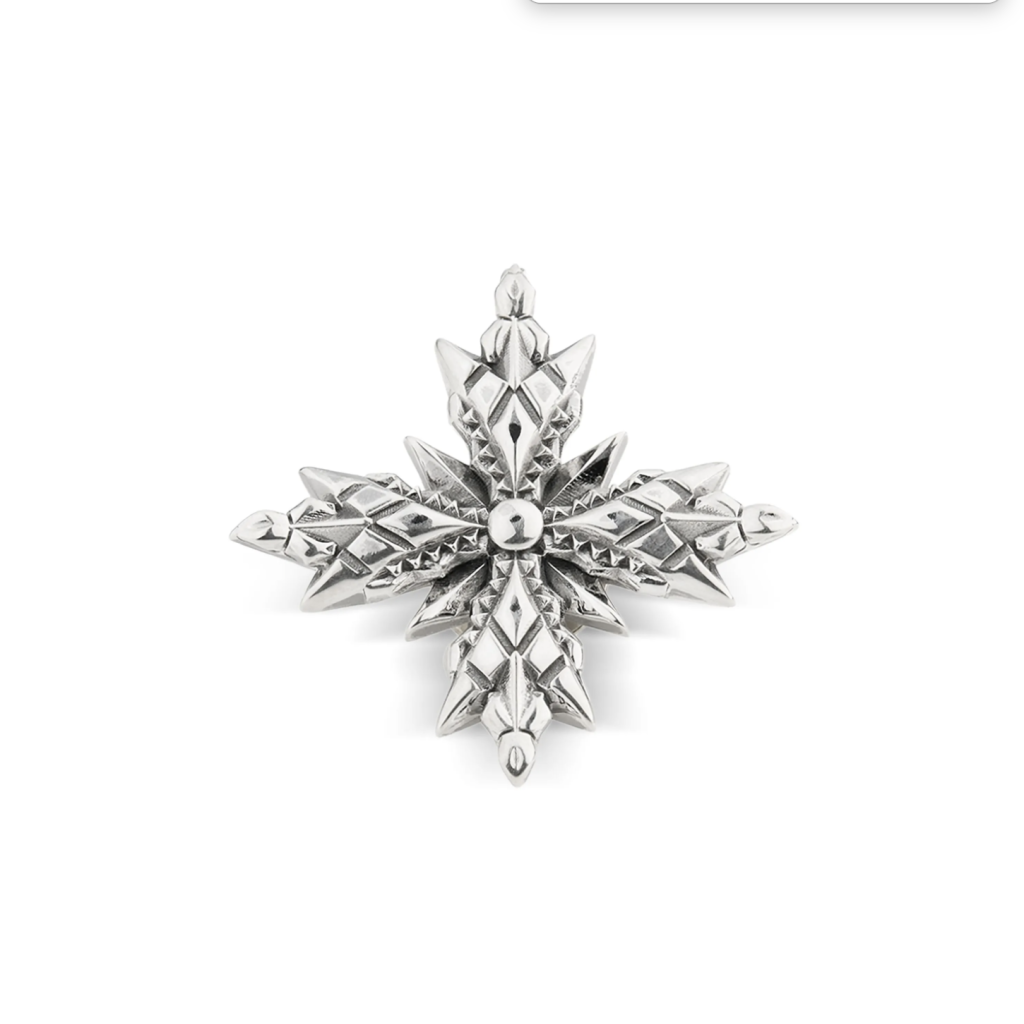
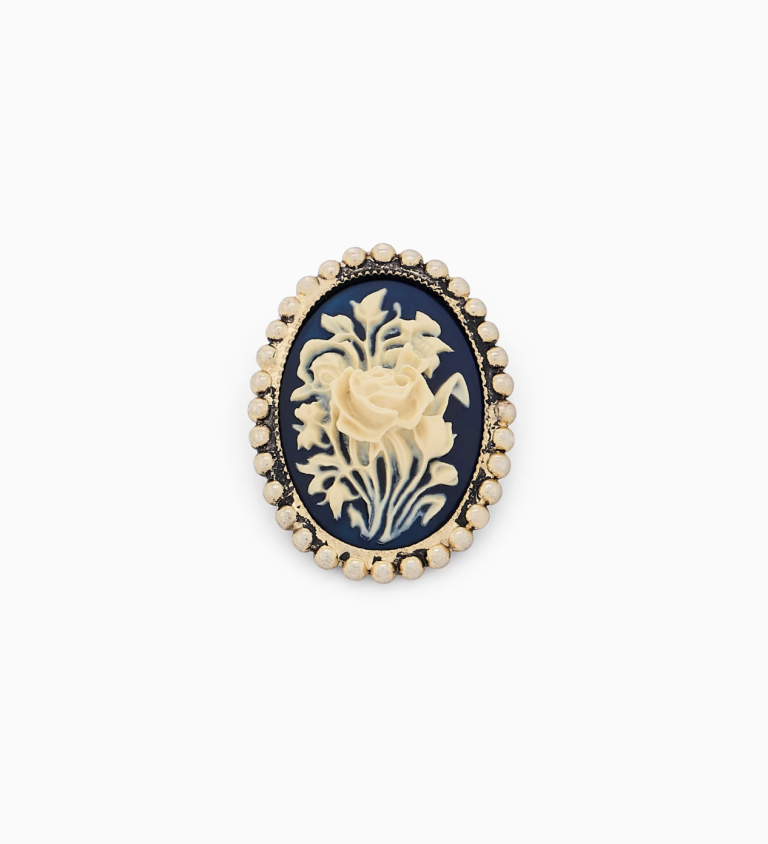
Enamel and gemstone brooches combine several distinct materials within a single object, and each of those materials responds differently to moisture, heat, abrasion, and chemical exposure. A cleaning approach that suits the metal setting may not be appropriate for a painted enamel surface or for a softer gemstone set into the piece. Understanding how these components interact is the first step toward a care routine that respects the whole object rather than only one of its parts.
This article outlines a process-oriented framework for routine cleaning and storage. It describes common cleaning solutions and their limits, distinguishes between materials that tolerate moisture and those that do not, and explains how storage conditions influence the long-term condition of a brooch. The emphasis is on method and observation rather than on promises about results, since condition depends on factors such as age, manufacturing technique, prior handling, and the specific stones involved.
Collectors and casual wearers alike benefit from a consistent approach. The practices described here are general and informational; unusual pieces, significant antique items, or brooches with uncertain provenance may warrant assessment by a qualified jeweler or conservator before any treatment is attempted. Context always matters, and the guidance below should be adapted to the individual object.
Understanding the Materials in a Brooch
Enamel is a vitreous material fused to a metal base, and its finished surface can range from glossy to matte depending on technique. While fired enamel is relatively stable, it is brittle and can chip or craze, and certain decorative treatments and older repair work may be more fragile than they appear. Abrasive polishes, ultrasonic cleaning, and rapid temperature changes are commonly identified in conservation literature as risk factors for enamel surfaces, particularly where edges, cloisonné partitions, or previously damaged areas are present.
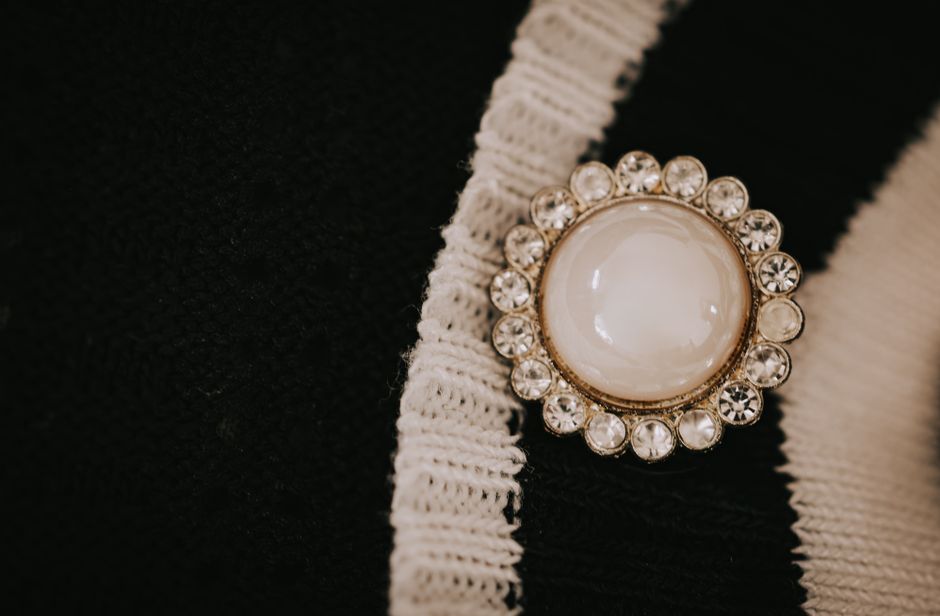
Gemstones vary widely in hardness and chemical tolerance. Diamond, sapphire, and ruby sit at the harder end of the scale, while opal, pearl, turquoise, and emerald are softer or more porous and are generally treated with greater caution. Some stones are routinely subjected to treatments such as fracture filling or oiling, and these treatments may respond poorly to solvents, heat, or prolonged soaking. The setting itself also matters: prongs, bezels, and adhesive-set stones each hold a gem differently, and loose stones can be dislodged by agitation or brushing.
Metal components introduce a third variable. Gold and platinum are comparatively resistant, while silver tarnishes and some base metals may corrode or lose plating. Findings such as pins, catches, and hinges contain moving parts that can trap moisture and residue. A careful assessment before cleaning therefore involves identifying each material present, checking for looseness or damage, and deciding whether surface cleaning alone is sufficient.
- Identify the metal base and any plating or patina before choosing a cleaning method.
- Note the gemstone types and whether their treatment status is known.
- Inspect enamel for chips, crazing, or previous repairs.
- Test the pin mechanism and stone settings for movement.
Safe Cleaning Solutions and Their Limits
For many brooches, the mildest effective method is surface cleaning with a soft, damp cloth and a very small amount of neutral soap, followed by careful drying. This approach limits exposure to moisture and avoids solvents that could affect enamel, adhesives, or treated stones. A soft-bristled brush may be used gently around settings where dust accumulates, though brushing near fragile enamel edges and prongs calls for restraint. The general principle is to start with the least aggressive option and observe the result before considering anything stronger.
Soaking is a common point of confusion. Prolonged immersion can introduce moisture behind stones, into hinges, and beneath enamel where it may remain trapped. For pieces containing porous stones, adhesive-set gems, or mechanisms, immersion is frequently described as inadvisable. Where soaking seems necessary, limiting duration and ensuring thorough drying are practical safeguards, though the decision depends on the specific construction of the piece.
Commercial jewelry cleaners are formulated for particular materials and are not interchangeable. Solutions intended for hard stones and precious metals may be unsuitable for opals, pearls, or enamels, and polishes containing abrasives can dull or scratch decorative surfaces. Reading product information and matching the cleaner to the most delicate component, rather than the most prominent one, is a useful discipline. When in doubt, professional cleaning remains the more conservative route.
A cleaning method appropriate for the metal setting is not automatically appropriate for the enamel surface or the stones it holds.
Storage Methods That Reduce Risk
Storage is where many avoidable problems originate. Brooches stored loosely with other jewelry can suffer scratches on enamel and abrasion on softer stones, and pins that remain open can catch on fabrics or bend. Individual compartments, soft pouches, or divided trays reduce contact between pieces. Fastening the pin before storage and placing the brooch flat or in a supported position helps limit stress on hinges and catches.
Environmental conditions also play a role. High humidity encourages tarnish on silver and can affect certain stones, while prolonged direct sunlight may influence the appearance of some materials. A stable, dry location away from heat sources is generally preferable to bathrooms or attics with fluctuating conditions. Silica packets in enclosed storage can help moderate moisture, though they require periodic replacement to remain effective.
Air exposure and contact between metals contribute to tarnish and wear. Tarnish-inhibiting fabrics and closed jewelry boxes can reduce exposure, and separating silver from other metals limits galvanic effects. For pieces with historical or sentimental value, documentation of condition and any prior repairs supports informed decisions later, including when to consult a professional.
- Store each brooch separately to prevent surface contact and scratching.
- Fasten pins and support the piece to reduce stress on findings.
- Choose a dry, stable location away from heat and direct sunlight.
- Use tarnish-inhibiting materials and replace moisture absorbers as needed.
A Repeatable Care Routine
A consistent routine is easier to maintain than occasional intensive cleaning. After wearing, a brief inspection and a light wipe with a soft cloth can remove skin oils and dust before they accumulate. Checking settings and the pin mechanism at the same time allows small issues to be noticed early. Keeping a simple record of cleaning dates and any observed changes provides a reference point for future decisions.
Periodic deeper assessment, perhaps seasonally, involves reviewing storage conditions and confirming that materials such as silica packets are still functioning. Pieces worn frequently may need more attention to residues around settings, while items kept in storage mainly require checks for tarnish and stable conditions. This tiered approach keeps effort proportional to exposure and avoids unnecessary intervention.
Where a brooch shows loose stones, damaged enamel, or persistent tarnish that does not respond to gentle methods, stopping and seeking professional evaluation is the prudent course. Conservators and jewelers can assess condition under magnification and recommend treatments that account for all materials present. The practices above are intended to support informed care, and their effect depends on the object’s construction, history, and the conditions it encounters.