Five Ways to Style a Brooch on a Blazer

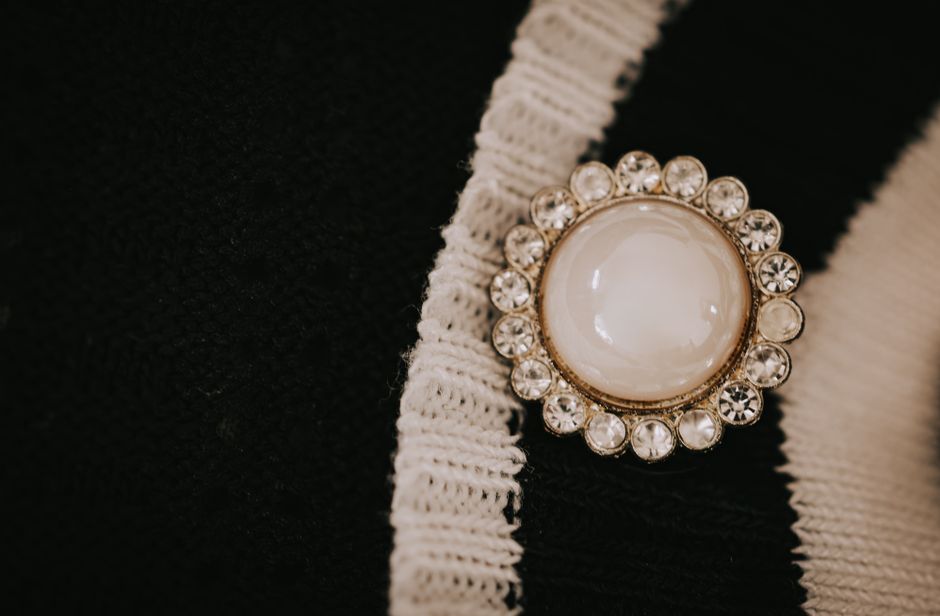
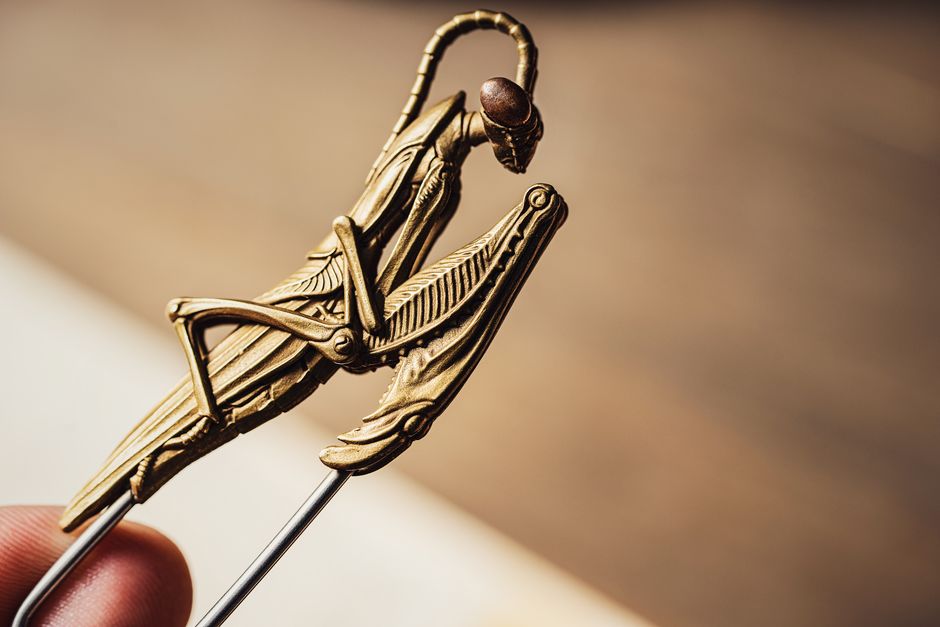
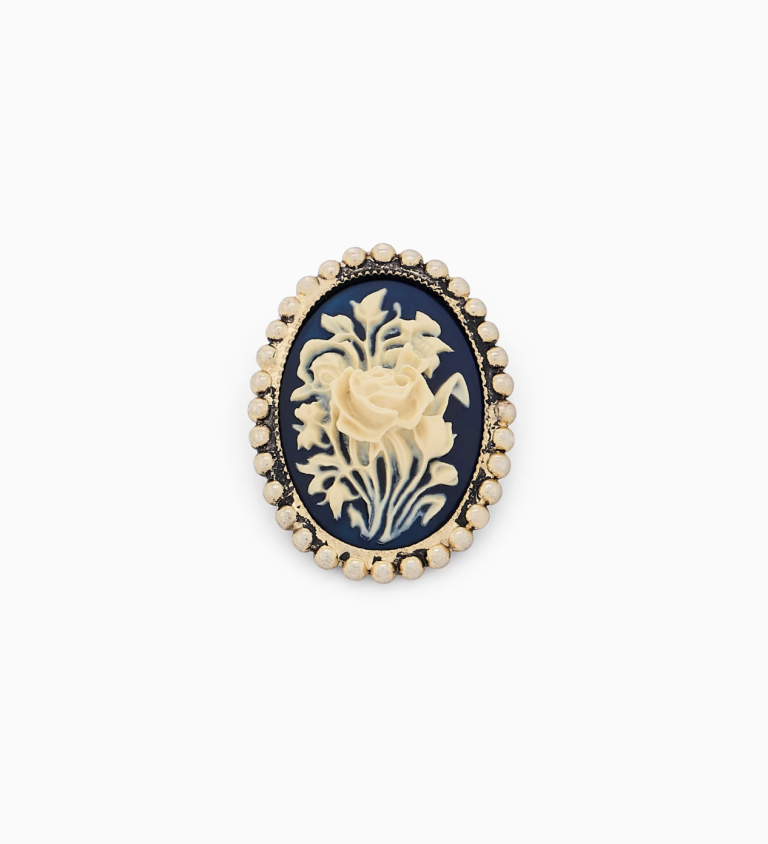
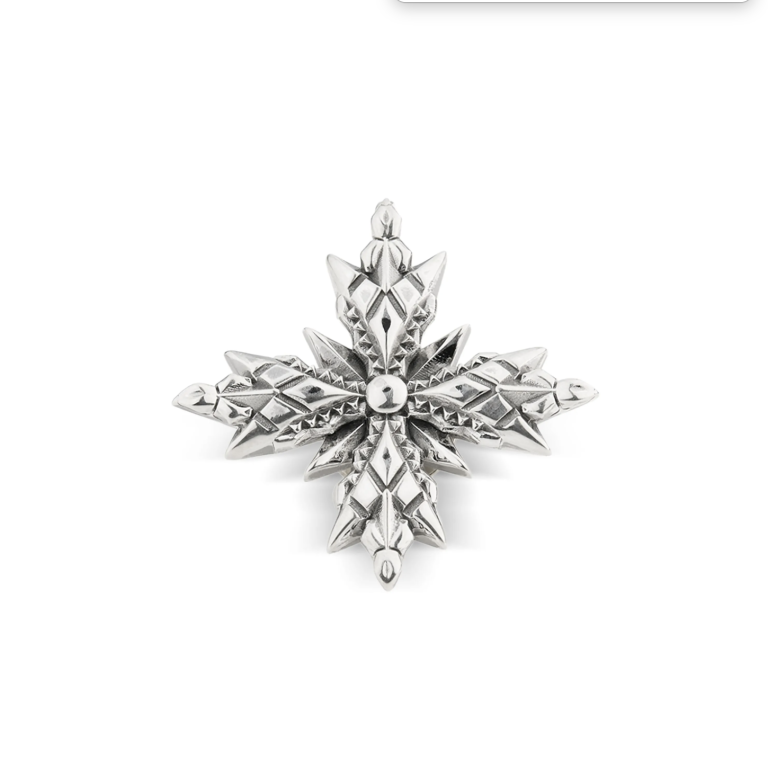
A brooch on a blazer is a small detail that can shift the visual balance of an outfit without altering its fundamental structure. The placement of the brooch determines where the eye is drawn and how the garment’s lines are interpreted. Rather than following a single fixed rule, many stylists approach brooch placement as a series of options, each with its own visual logic and appropriate context.
This article outlines five placement techniques for wearing brooches on blazers: the collar accent, the lapel pin, the pocket decoration, the shoulder placement, and the center-front arrangement. Each method is described in terms of its visual effect, the types of brooches that tend to work well, and the occasions where it may be considered. The goal is to provide a clear framework that supports personal judgment rather than to prescribe a single correct approach.
Understanding these techniques can help individuals make more deliberate choices when accessorizing a blazer. The information below is intended as a general reference, and the suitability of any placement depends on factors such as the blazer’s cut, the brooch’s size and weight, and the overall composition of the outfit.
Collar Accent: Drawing Attention Upward
Placing a brooch on the collar is one of the most visible options because it frames the face and draws attention upward. This technique works best with brooches that are relatively small and lightweight, as larger pieces may distort the collar’s shape or feel unbalanced. The collar area includes both the upper collar and the notch or peak where the collar meets the lapel, and each position creates a slightly different effect.
On a tailored blazer with a standard notch collar, a small brooch pinned near the collar point can add a subtle point of interest without overwhelming the neckline. This placement may be particularly suitable for structured fabrics such as wool or tweed, where the brooch can sit flat against the surface. For softer collars, a lighter brooch with a secure clasp is often preferable to avoid pulling the fabric.
When considering a collar accent, it is useful to evaluate the relationship between the brooch and any neckwear or shirt collar underneath. A brooch placed too close to the throat may compete with a tie or a high-necked shirt, while one positioned slightly to the side can create a balanced asymmetry. The overall effect depends on the blazer’s color, the brooch’s material, and the wearer’s proportions, so testing the placement in a mirror before finalizing is a practical step.
Lapel Pin: A Classic and Versatile Option
The lapel is perhaps the most conventional location for a brooch on a blazer, and it remains a versatile choice because it aligns with the garment’s natural construction. The lapel already features a buttonhole on many blazers, and a brooch can be pinned through or near this point to create a focal point. This technique is often associated with formal or business settings, but it can also be adapted for casual wear depending on the brooch’s design.
For a classic lapel pin look, a brooch with a horizontal or slightly angled orientation tends to follow the line of the lapel. The size should be proportionate to the lapel’s width; a brooch that extends beyond the lapel’s edge may look out of place, while one that is too small may be visually lost. Heavier brooches may require a reinforcing backing to prevent the fabric from sagging over time.
The lapel pin technique also allows for variation in height. Positioning the brooch higher on the lapel, near the collarbone, can create a more formal impression, while a lower placement near the buttonhole may appear more understated. The choice depends on the blazer’s style and the desired level of visibility. As with any placement, the brooch should be secured firmly and checked for stability before wearing.
Pocket Decoration: Subtle Detail with Practical Considerations
Attaching a brooch to the breast pocket or pocket flap offers a subtle way to incorporate ornamentation without drawing attention to the chest or collar. This placement is often used on blazers with a patch pocket or a flap pocket, where the brooch can be pinned to the pocket’s upper edge or centered on the flap. The effect is generally more reserved than a lapel pin, making it suitable for settings where a quieter detail is preferred.
When using a pocket decoration, the weight and shape of the brooch are important considerations. A brooch that is too heavy may pull the pocket fabric or interfere with the pocket’s function, while a very large brooch could distort the pocket’s line. Flat-backed brooches or those with a slim profile tend to work well in this position. It is also worth noting that pinning through a pocket may leave small holes, so this technique is often better suited to garments where such marks are acceptable or can be minimized.
The pocket decoration method can be combined with a pocket square, but care is needed to avoid visual clutter. If both are used, a smaller brooch placed near the pocket’s corner may allow the pocket square to remain the primary focal point. Alternatively, the brooch can replace the pocket square entirely for a cleaner look. The decision depends on the overall outfit and the occasion.
Shoulder Placement: Sculptural and Asymmetrical
Positioning a brooch on the shoulder, often near the seam where the sleeve meets the body, creates a sculptural and asymmetrical effect. This placement draws the eye across the shoulder line and can add a sense of movement to the outfit. It is less common than lapel or collar placements, which makes it a distinctive option for those seeking a more personalized look.
Shoulder placement tends to work best with blazers that have a defined shoulder structure, such as those with padding or a strong seam. A brooch with a bit of weight or a three-dimensional design can be appropriate here, as the shoulder area is relatively stable and can support larger pieces. However, the brooch should not interfere with the arm’s movement or rub against the sleeve, so positioning it slightly forward or backward on the shoulder may be necessary.
Because this placement is asymmetrical, it can create a strong visual imbalance if not carefully considered. Pairing a shoulder brooch with other accessories, such as a necklace or earrings, requires attention to the overall distribution of visual weight. In general, a single shoulder brooch works best when the rest of the outfit remains relatively simple, allowing the placement to stand out without competing elements.
Center-Front Arrangement: Creating a Focal Point
Placing a brooch at the center front of a blazer, often near the top button or along the closure line, creates a clear focal point that aligns with the garment’s vertical axis. This technique is particularly effective on double-breasted blazers or those with a prominent button stance, where the center front is already a design feature. A brooch in this position can emphasize the blazer’s structure and add a sense of formality.
For center-front placement, the brooch’s size should be considered in relation to the button or closure. A brooch that is significantly larger than the button may look disproportionate, while one that is similar in scale can create a harmonious pairing. The brooch can be pinned just above or below the button, or slightly to one side for a less rigid look. Securing the brooch with a backing that distributes weight can help prevent stress on the fabric.
This arrangement may not be suitable for all blazer styles; unstructured or minimalist blazers with a clean front may not have a natural anchor point for a center-front brooch. In such cases, the brooch may appear to float or disrupt the intended line. Testing the placement with the blazer buttoned and unbuttoned can provide a clearer sense of how the brooch interacts with the garment’s shape. As with all techniques, the final choice depends on the individual’s assessment of balance, proportion, and context.
Each placement technique offers a different way to engage with the blazer’s design. The most effective choice is often the one that feels consistent with the garment’s structure and the wearer’s intent.
In summary, the five techniques described—collar accent, lapel pin, pocket decoration, shoulder placement, and center-front arrangement—provide a range of options for styling a brooch on a blazer. None of these methods is inherently superior; their appropriateness depends on the blazer’s cut, the brooch’s characteristics, and the occasion. Approaching brooch placement as a process of observation and adjustment can support more confident and personalized accessorizing.